
What Does Land Cost in North Carolina?
Land in North Carolina can range from relatively affordable rural acreage to high-value parcels near major growth markets. The price depends on where the land is located, what it can be used for, and whether it already has the access, utilities, and characteristics needed for your plans.
Some buyers are looking for a private homesite. Others want farmland, timberland, recreational acreage, or property with future development potential. Those differences matter, and they are a big reason land prices can vary so much from one part of the state to another.
At NCLandMan, we help buyers and sellers make sense of those variables so they can better understand what land is worth and what makes one property a stronger opportunity than another.
Why Land Prices Vary So Much Across North Carolina
There is no one-size-fits-all answer because North Carolina is made up of very different land markets.
A small parcel near Raleigh, Charlotte, or another fast-growing area may cost far more per acre than a much larger tract in a rural county. Coastal land, mountain land, agricultural land, and development land all behave differently too.
That means acreage alone does not tell the full story. Two ten-acre tracts can have dramatically different values based on location, road frontage, utilities, topography, zoning, soil conditions, and future potential.
What Affects the Cost of Land in North Carolina?
Location
Location is often the biggest factor in land value. Property near major cities, growing towns, and infrastructure corridors usually commands a higher price than land in more remote areas.
Zoning and Land Use
The value of land often depends on what can actually be done with it. A parcel with residential, commercial, or development potential may be worth much more than land with limited use options.
Utilities and Infrastructure
Access to water, sewer, power, and paved roads can significantly increase value. Raw land without those improvements may cost less upfront, but require more investment later.
Soil and Perc Suitability
For buyers who plan to build, soil conditions matter. If a parcel will need a septic system, perc suitability can directly affect usability and value.
Road Frontage and Access
Good access tends to support value. Landlocked tracts, flag lots, or parcels with limited frontage may be harder to use or finance.
Topography and Usability
Flat, usable land usually sells at a premium compared to property with steep slopes, flood concerns, or other physical limitations.
How Much Does an Acre of Land Cost in North Carolina?
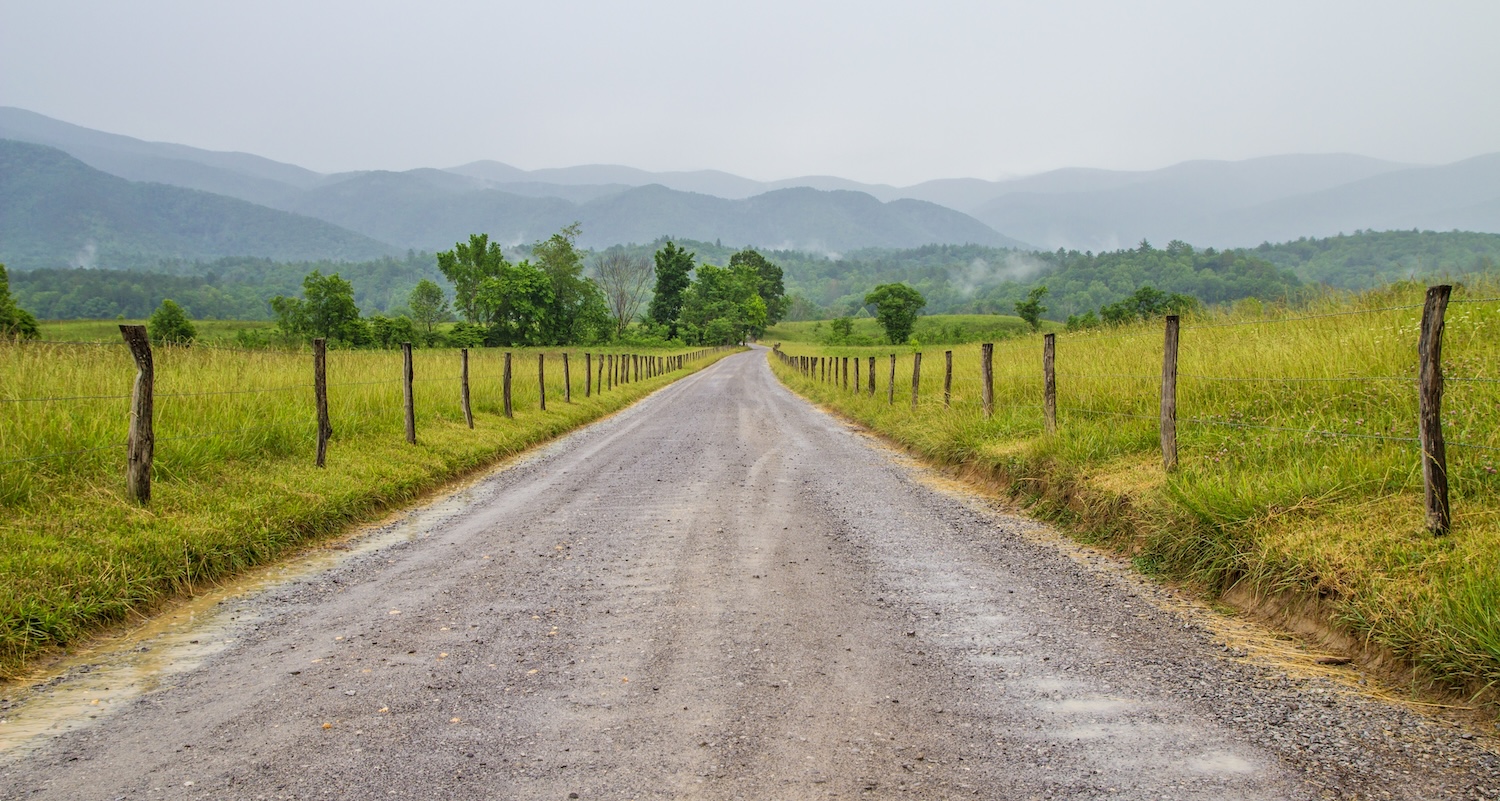
The cost of one acre in North Carolina depends heavily on whether that acre is located in a rural area, a suburban growth corridor, or a premium market near a major city.
In general, smaller parcels often cost more per acre than larger tracts. That is because buyers are often paying for convenience, buildability, and location, not just size.
A one-acre homesite in a desirable area may carry a much higher per-acre value than a larger piece of recreational or agricultural land in a rural county.
How Much Does 10 Acres of Land Cost in North Carolina?
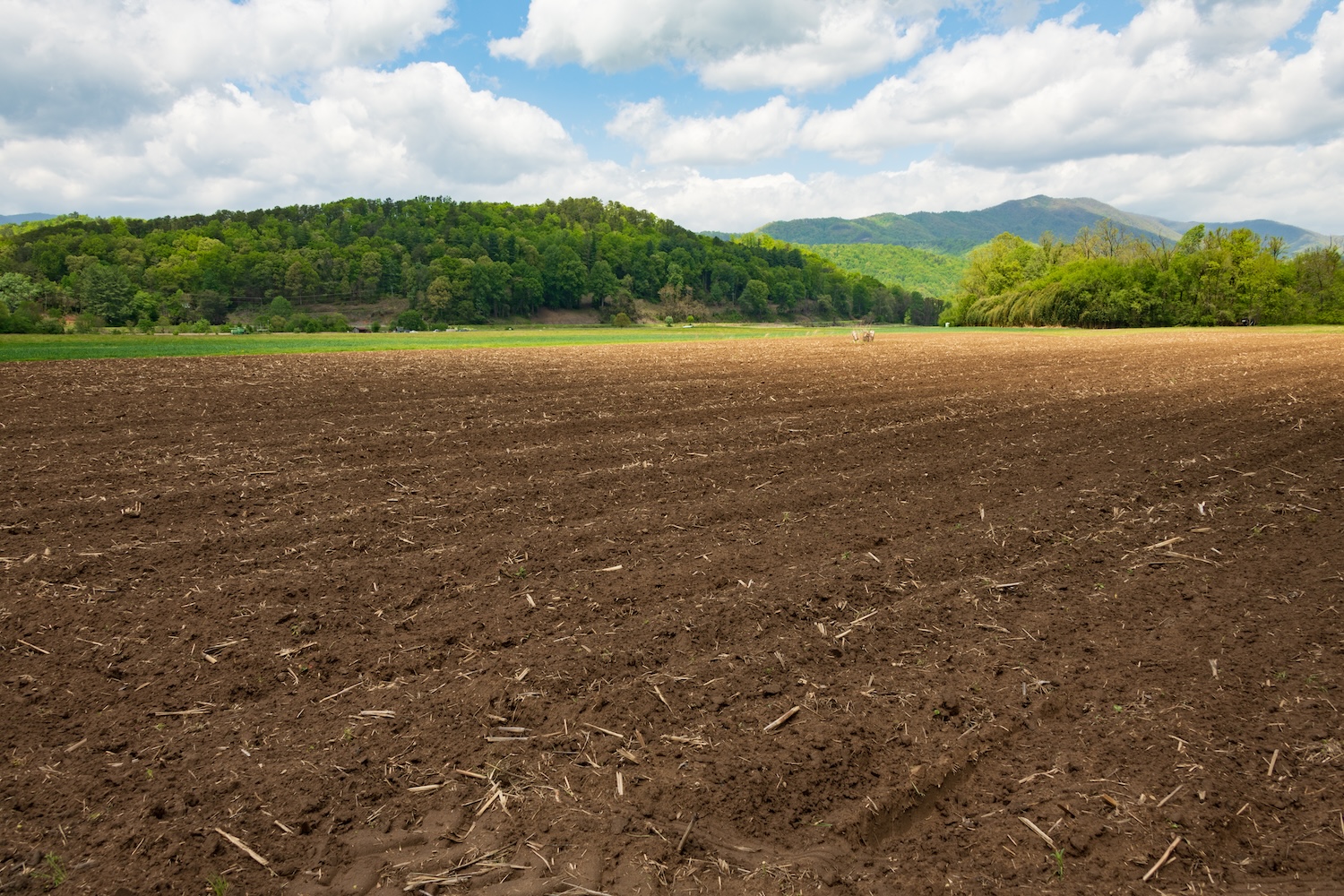
Ten acres can vary widely in value depending on where the property is located and what the land can support.
In a more rural market, ten acres may appeal to buyers looking for privacy, hunting land, a homesite, or long-term investment. In or near a high-growth area, that same amount of acreage may be valued much more aggressively because of residential or development potential.
The real question is not just how many acres a property has. It is what those acres can do.
Is Land in North Carolina Expensive?
That depends on the market and the intended use.
Compared with some states, North Carolina still offers opportunities for buyers who want rural acreage, recreational land, or property outside of the most competitive metro areas. At the same time, land near strong population growth and development pressure can be expensive, especially when inventory is limited.
For that reason, buyers should think beyond the list price and evaluate the land as a whole opportunity.
What Hidden Costs Should Buyers Think About?
The purchase price is only one part of the equation. Depending on the property, buyers may also need to account for:
Surveying
Perc Testing
Well Installation
Septic Installation
Land Clearing
Grading or Drainage Work
Driveway Construction
Utility Extension
Permitting and Site Prep
Sometimes a lower-priced parcel ends up costing more in the long run if the improvement work is extensive. That is one reason land buyers benefit from working with someone who understands the full picture.
Is Buying Land in North Carolina a Good Investment?
For many buyers, yes. North Carolina continues to see population growth, business expansion, and development activity across many parts of the state. Well-located land can offer flexibility, scarcity, and long-term upside.
That said, not every tract is a strong investment. The best opportunities usually depend on:
- Where growth is heading
- What the land can realistically be used for
- What obstacles or costs stand between the current condition and the buyer’s goals
Land can be a smart purchase, but it rewards buyers who understand the details.
.jpg)
Why Work With a Land Specialist?
Land is different from traditional residential real estate. A property may look appealing on paper but have issues with access, soils, restrictions, topography, or development feasibility that affect its true value.
That is why buyers and sellers turn to NCLandMan. We focus on land, and that means helping clients look deeper at the factors that actually drive opportunity, usability, and price.
North Carolina Land Cost FAQs
1. How much does land cost in North Carolina?
Land prices in North Carolina vary widely depending on location, zoning, access, utilities, and intended use. Rural land is often more affordable, while land near major growth markets can command much higher prices.
2. Is land cheaper in rural North Carolina?
In many cases, yes. Rural land is often more affordable than property closer to major cities and suburbs, although value still depends on usability, access, and build potential.
3. Why is land near Raleigh more expensive?
Land near Raleigh often costs more because of strong demand, continued population growth, infrastructure investment, and limited supply in desirable areas.
4. How much should I budget beyond the purchase price?
Buyers may need to budget for surveying, septic testing, well installation, clearing, grading, utilities, and other site-preparation costs depending on the property.
5. What should I look at before buying land?
Important factors include zoning, road frontage, access, utility availability, soil suitability, flood risk, topography, and any restrictions that could affect how the land can be used.
Explore Land Opportunities With NCLandMan
Whether you are looking for a homesite, recreational acreage, farmland, or land with long-term potential, understanding price is only the beginning. The real value comes from knowing what a property offers now and what it could offer in the future.